Tottori: Local Specialties, Souvenirs, Shrines & Temples, Sightseeing | Japan 47 Prefecture Guide
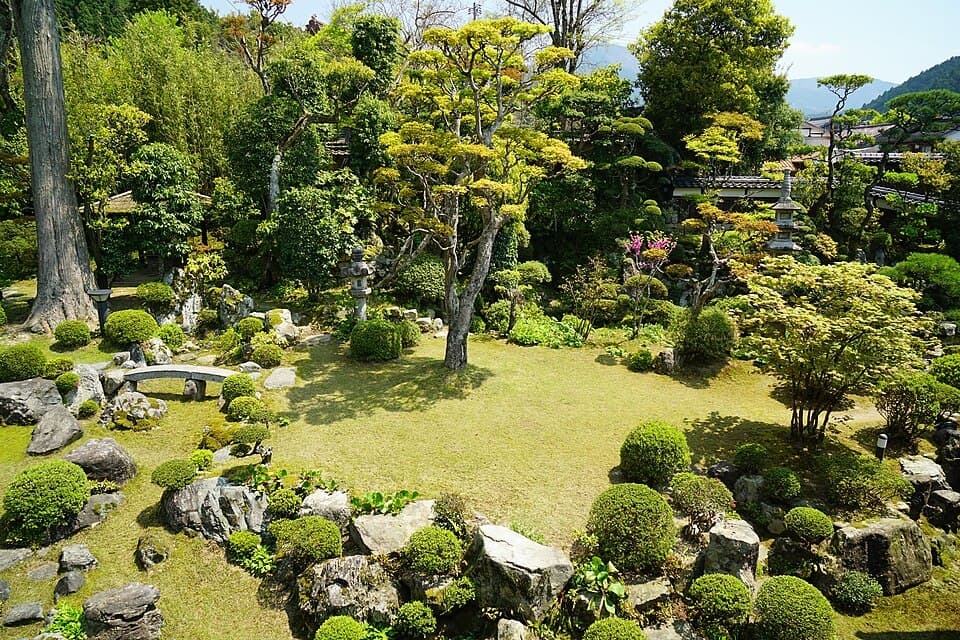
Tottori has the smallest population of any prefecture in Japan. For that very reason, each of its production districts stands out clearly.
Local Specialties
The Nijisseiki pear was not bred in Tottori. A seedling found in Chiba was taken up and carried on here. It became the speciality not of the place that found it but of the place that kept growing it.
Matsuba crab is the male snow crab. Sakaiminato is among the top ports in Japan for landing it. Each crab carries a tag identifying the fisherman and the port. Making it possible to trace who caught it and where became the brand itself.
Rakkyo shallots, white squid, Daisen chicken, white leeks.
Souvenirs
Nijisseiki pear confectionery, tofu manju, honey. And writing paper in Inshu washi.
Sakaiminato is the birthplace of the manga artist Mizuki Shigeru, and souvenirs using his yokai are everywhere.
Sacred Sites | Shrines & Temples
Mitokusan Sanbutsuji and Nageiredo holds National Treasures. 30 shrines and temples worth knowing in Tottori.
Hakuto Jinja(Tottori)Shinto shrine / Inaba (east) / Blessings: love and relationships, warding off misfortune
Held to be the setting of the White Hare of Inaba in the Kojiki. Okuninushi helped a hare whose skin had been stripped off by sharks, and that hare then brought Okuninushi and Yagamihime together. That is why it is counted among the oldest matchmaking shrines in Japan. The stage of the myth is right there on the map.
Mitokusan Sanbutsuji(Misasa)Buddhist temple / National Treasure / Historic Site / Place of Scenic Beauty / Central area / Blessings: warding off misfortune, mountain worship
The Nageiredo at its inner sanctuary is a National Treasure: a hall wedged into a hollow in a sheer cliff, and no one knows how it was built. Reaching it means climbing by chain, and you are not allowed up alone.
Ogamiyama Jinja Okumiya(Daisen)Shinto shrine / Important Cultural Property / Hoki (west) / Blessings: mountain worship, warding off misfortune
Its approach, paved with natural stone, runs about 700 metres and is said to be the longest in Japan. A place of mountain worship, facing Mount Daisen itself.
Ube Jinja(Tottori)Shinto shrine / Ichinomiya (first shrine) of Inaba Province / Inaba (east) / Blessings: long life, wealth
First shrine of Inaba Province. Held to be the first shrine ever depicted on a Japanese banknote, it draws prayers for wealth.
Kannonin(Tottori)Buddhist temple / Place of Scenic Beauty / Inaba (east) / Blessings: warding off misfortune
A temple tied to the Ikeda, lords of the Tottori domain. Its Edo-period pond garden is a Place of Scenic Beauty.
Nageiredo(Misasa)Buddhist temple / National Treasure / Central area / Blessings: mountain worship
A National Treasure set into a hollow in a cliff. How it was built is still unknown, and it is called the most dangerous National Treasure in Japan.
Sanbutsuji Sando(Misasa)Buddhist temple / Central area / Blessings: rebirth and renewal
You go up the chain sections on all fours. The rule is that you may not enter alone.
Daisenji(Daisen)Buddhist temple / Hoki (west) / Blessings: mountain worship
At its height it held over a hundred temples. It was the centre of shugendo in western Japan.
Ogamiyama Jinja(Daisen)Shinto shrine / Important Cultural Property / Hoki (west) / Blessings: mountain worship
An approach of natural stone, about 700 metres long and said to be the longest in Japan.
Hasedera (Kurayoshi)(Kurayoshi)Buddhist temple / Important Cultural Property / Central area / Blessings: warding off misfortune
It looks down on the town of white-walled storehouses. Its main hall in kakezukuri survives.
Kamo Jinja Tenmangu(Yonago)Shinto shrine / Hoki (west) / Blessings: study and exams
The tutelary shrine of Yonago, and the faith of the merchants of the castle town.
Misasa Onsen(Misasa)Buddhist temple / Central area / Blessings: long life
One of the strongest radon springs in the world. It was the bathing place for pilgrims to Mount Mitoku.
Hoki no Kosha(Kotoura)Shinto shrine / Central area / Blessings: good catches
An old land of faith, facing the Japan Sea.
Yazu Hakuto(Yazu)Shinto shrine / Inaba (east) / Blessings: love and relationships
Another site claiming the legend of the white hare.
Tottori Toshogu(Tottori)Shinto shrine / Important Cultural Property / Inaba (east) / Blessings: victory
A Toshogu built by Ikeda Mitsunaka. The main hall and three other buildings are Important Cultural Properties.
Tenporinji(Kotoura)Buddhist temple / Central area / Blessings: warding off misfortune
An old temple along the Daisen road.
Ochidani Jinja(Tottori)Shinto shrine / Important Cultural Property / Inaba (east) / Blessings: victory
Built by Ikeda Mitsunaka. The main hall and three other buildings are Important Cultural Properties.
Ogamiyama Honsha(Yonago)Shinto shrine / Hoki (west) / Blessings: mountain worship
The village shrine, used in the season when the inner shrine cannot be reached in winter.
Awashima Jinja(Yonago)Shinto shrine / Hoki (west) / Blessings: long life, safe childbirth
It carries the legend of the nun who ate mermaid flesh and lived eight hundred years.
Kamo Jinja Tenmangu(Yonago)Shinto shrine / Hoki (west) / Blessings: study and exams
The tutelary shrine of Yonago, which drew the faith of the merchants of the castle town.
Amidado(Daisen)Buddhist temple / Important Cultural Property / Hoki (west) / Blessings: rebirth and renewal
The oldest surviving building at Daisenji. An Important Cultural Property.
Shimoyama Jinja(Daisen)Shinto shrine / Important Cultural Property / Hoki (west) / Blessings: victory
It stands beside the inner shrine of Ogamiyama Jinja. An Important Cultural Property.
Hojo Hachimangu(Hokuei)Shinto shrine / Central area / Blessings: victory
The tutelary shrine of a town near the dunes.
Monjudo(Misasa)Buddhist temple / Important Cultural Property / Central area / Blessings: study and exams
A kakezukuri hall on the way up to the Nageiredo. Its outer walkway has no handrail.
Jizodo(Misasa)Buddhist temple / Important Cultural Property / Central area / Blessings: warding off misfortune
A kakezukuri hall paired with the Monjudo.
Dairenji(Kurayoshi)Buddhist temple / Central area / Blessings: warding off misfortune
A temple surviving in the town of white-walled storehouses.
Genchuji(Tottori)Buddhist temple / Inaba (east) / Blessings: victory
The grave of Araki Mataemon is here.
Suwa Jinja (Chizu)(Chizu)Shinto shrine / Inaba (east) / Blessings: mountain worship
The tutelary shrine of Chizu cedar country. A pillar festival is held here.
Fudoin Iwayado(Wakasa)Buddhist temple / Important Cultural Property / Inaba (east) / Blessings: warding off misfortune
A kakezukuri hall fitted into a rock cave. One of the three great nageiredo of Japan.
Kumano Jinja (Iwami)(Iwami)Shinto shrine / Inaba (east) / Blessings: rebirth and renewal
An old shrine near the Uradome coast.
Sightseeing
Breakdown: historic townscape 4, hot spring 2, nature / scenery 5. 15 places to see in Tottori.
Daisen Gyuba-ichi(Daisen)nature / scenery / Hoki (west)
In the Edo period, one of the three great cattle and horse markets of Japan was held before the gate of Daisenji.
Fukumoto Jinja(Tottori)other / Inaba (east) / date unknown
One of the settings of the folk tales handed down in the Inaba region.
Nagatanidera(Kurayoshi)other / Central area
A stage thrust out from the cliff. Dedicated votive tablets and hagoita paddles hang in rows.
Nijisseiki Nashi(Kurayoshi)other / Central area
The small shrine of a land that has kept its pear orchards.
Mizuki Shigeru Road(Sakaiminato)historic townscape / Hoki (west)
Yokai were originally the shapes people gave to what they could not explain. The culture on the reverse side of faith.
Tottori Sakyu(Tottori)nature / scenery / Inaba (east) / Natural Monument
One of the largest dune fields in Japan. A serpent legend is told of the pond beside it.
Tottori Sand Dunes(Tottori)nature / scenery / Inaba (east) / Natural Monument
Two point four kilometres north to south, sixteen east to west. Wind ripples and sand curtains form here.
Sand Museum(Tottori)museum / theatre / Inaba (east) / 2006
The only museum in the world devoted to sand sculpture. It is rebuilt to a new theme each year.
Mizuki Shigeru Road(Sakaiminato)historic townscape / Hoki (west) / 1993
One hundred and seventy-seven bronze yokai. They brought a shuttered high street back to life.
Mt. Daisen(Daisen)nature / scenery / Hoki (west)
The Fuji of Hoki, and the highest peak in the Chugoku region. Beech forest spreads across it.
Uradome Coast(Iwami)nature / scenery / Inaba (east) / Place of Scenic Beauty / Natural Monument
Visibility of 25 metres. Sightseeing boats pass through the sea caves.
Kurayoshi(Kurayoshi)historic townscape / Central area / Preservation District for Traditional Buildings
Red tiles and white walls, with stone bridges crossing the Tamagawa.
Misasa Onsen(Misasa)hot spring / Central area / 1164
One of the strongest radon springs in the world. You can also drink it and inhale it.
Hawai Onsen(Yurihama)hot spring / Central area
A hot spring district whose name reads as Hawai. It rises on the shore of a brackish lake.
Matsuba Crab(Sakaiminato and nearby)historic townscape / Hoki (west)
The male snow crab. Landings here compete for first place in Japan.
Traditional Crafts
Three crafts hold national designation: Inshu washi, Yumihama kasuri, and Izumo stone lanterns.
Inshu washi is said to rank near the top nationally for gasen paper used in calligraphy. Izumo stone lanterns are designated across both Tottori and Shimane: the boundary follows the stone, not the prefectural line.
More: VILLAGE Journal vol.17 — A stone district that crosses the prefecture line(リンク先は現在公開されていません)
More from This Prefecture
See all Tottori articles ← All 47 prefectures
Sources: Tottori Prefecture, City of Tottori, City of Sakaiminato, Misasa Town, Agency for Cultural Affairs, Association for the Promotion of Traditional Craft Industries — Value Village editorial team