Aomori: Local Specialties, Souvenirs, Shrines & Temples, Sightseeing | Japan 47 Prefecture Guide
Aomori is one of the few prefectures to hold both a World Natural Heritage site and a World Cultural Heritage site. And in food, a single fruit accounts for 60 percent of the national crop.
Local Specialties
Aomori grows more apples than any other prefecture: about 60 percent of the national harvest. Fuji, Orin, Tsugaru, Jonagold. The range of varieties is wide partly so that harvests can be staggered and fruit shipped all year.
Why here? Apples are said to colour best where the climate is cool and the gap between day and night temperatures is wide. A summer that never gets too hot became, in itself, the qualification for growing them.
Seedlings introduced by the government in the early Meiji years were distributed all over the country, but it was in the cold places that they took hold. A climate that looks like a disadvantage became an industry.
Garlic is also among the highest yielding in Japan, and the scallops of Mutsu Bay are known for hanging culture.
Souvenirs
Apple products dominate the souvenir shelves for an obvious reason. Fresh fruit is heavy to carry; processed, it is light. Most souvenirs are built on that arithmetic.
Nanbu senbei is a plain cracker of wheat flour baked in a round mould. It began as preserved food, and survives in that role in senbei-jiru, where the cracker is broken into a hot soup.
Sacred Sites | Shrines & Temples
Kushihiki Hachimangu and Kushihiki Hachimangu holds National Treasures. 30 shrines and temples worth knowing in Aomori.
Osorezan Bodaiji(Mutsu)Buddhist temple / One of the Three Great Sacred Grounds / Shimokita / Blessings: rebirth and renewal, warding off misfortune
Long held to be the mountain where the souls of the dead gather. Sulphur vents and the still water of Lake Usori lie side by side, so that hell and paradise can be taken in at a single glance.
Iwakiyama Jinja(Hirosaki)Shinto shrine / Ichinomiya (first shrine) of Tsugaru Province / Important Cultural Property / Tsugaru / Blessings: mountain worship, good harvests
Mount Iwaki itself is the deity, with an inner shrine at the summit. The annual Oyama-sankei pilgrimage is an Important Intangible Folk Cultural Property.
Takayama Inari Jinja(Tsugaru)Shinto shrine / Tsugaru / Blessings: business prosperity, good harvests
A thousand torii wind like a dragon through a Japanese garden. An Inari shrine standing on the dunes by the sea.
Kushihiki Hachimangu(Hachinohe)Shinto shrine / Ichinomiya of the Nanbu domain / National Treasure / Important Cultural Property / Southern area / Blessings: victory, warding off misfortune
The tutelary shrine of the Nanbu clan. Medieval armour is preserved here, including the Akaito-odoshi armour, a National Treasure.
Saishoin(Hirosaki)Buddhist temple / Important Cultural Property / Tsugaru / Blessings: warding off misfortune, study and exams
Its five-storey pagoda is an Important Cultural Property, and among the best proportioned in northern Japan.
Utou Jinja(Aomori)Shinto shrine / Tosei / Blessings: safe voyages, warding off misfortune
Held to be the birthplace of the city of Aomori. This area was once called Utou village.
Iwakiyama Okumiya(Hirosaki)Shinto shrine / Tsugaru / Blessings: mountain worship
At the 1,625-metre summit. Pilgrims climb here on the first day of the eighth lunar month for Oyama-sankei.
Hirosaki Hachimangu(Hirosaki)Shinto shrine / Important Cultural Property / Tsugaru / Blessings: victory, warding off misfortune
The tutelary shrine of the Hirosaki domain. The main hall and the karamon gate are Important Cultural Properties.
Choshoji(Hirosaki)Buddhist temple / Important Cultural Property / Tsugaru / Blessings: warding off misfortune
The funerary temple of the Tsugaru family. Its gate and main hall are Important Cultural Properties, and it stands at the centre of the Zenrin-gai temple quarter.
Seiryuji(Aomori)Buddhist temple / Tosei / Blessings: warding off misfortune
The Showa Great Buddha is among the largest seated bronze Buddhas in Japan. A five-storey pagoda stands beside it.
Kabushima Jinja(Hachinohe)Shinto shrine / Southern area / Blessings: good catches, business prosperity
A Natural Monument as a breeding ground for black-tailed gulls. Because kabu also means a share of stock, a belief in rising share prices grew up here.
Takayama Inari Senbon Torii(Tsugaru)Shinto shrine / Tsugaru / Blessings: business prosperity
The torii ripple along the rise and fall of the garden. An Inari shrine on the dunes of the Japan Sea coast.
Towada Jinja(Towada)Shinto shrine / Southern area / Blessings: good fortune, mountain worship
Set among cedars on the shore of Lake Towada. It preserves the urabe, a rite of divination by sinking paper in the lake.
Hakkoda Jinja(Aomori)Shinto shrine / Tosei / Blessings: mountain worship
A small shrine deep in the Hakkoda mountains, spoken of alongside the memory of the 1902 march through the snow.
Shinmeigu(Hachinohe)Shinto shrine / Southern area / Blessings: good fortune
One of the tutelary shrines of Hachinohe, and one of the three that carry the Sansha Taisai festival.
Ogami Jinja(Hachinohe)Shinto shrine / Southern area / Blessings: good harvests, warding off misfortune
Said to be the oldest shrine in Hachinohe and the centre of the Sansha Taisai. The festival is UNESCO Intangible Cultural Heritage.
Hirosaki Toshogu(Hirosaki)Shinto shrine / Important Cultural Property / Tsugaru / Blessings: victory
A Toshogu built by the Tsugaru domain. The main hall is an Important Cultural Property.
Entsuji(Mutsu)Buddhist temple / Shimokita / Blessings: warding off misfortune, rebirth and renewal
The temple that administers Osorezan Bodaiji. It runs the great festival known for the itako, blind mediums who speak for the dead.
Saishoin Gojunoto(Hirosaki)Buddhist temple / Important Cultural Property / Tsugaru / Blessings: warding off misfortune
Called the northernmost five-storey pagoda in Japan, and the most beautiful.
Shinra Jinja(Hachinohe)Shinto shrine / Southern area / Blessings: victory
One of the three shrines of the Hachinohe Sansha Taisai. It preserves Kagami-ryu mounted polo.
Shiriyazaki(Higashidori)Utaki (Ryukyuan sacred grove) / Shimokita / Blessings: safe voyages
The northeastern tip of Honshu. Hardy horses graze here through a punishing climate.
Kudoji(Hirosaki)Buddhist temple / Tsugaru / Blessings: rebirth and renewal
The first temple of the Tsugaru 33 Kannon pilgrimage. The Oshira-ko tradition survives here.
Kushihiki Hachimangu(Hachinohe)Shinto shrine / National Treasure / Southern area / Blessings: victory
The tutelary shrine of the Nanbu clan, holding National Treasure armour including the Akaito-odoshi.
Hirota Jinja (Aomori)(Aomori)Shinto shrine / Tosei / Blessings: warding off misfortune
It claims to be the only shrine in Japan devoted to warding off illness and misfortune.
Saruka Jinja(Hirakawa)Shinto shrine / Tsugaru / Blessings: warding off misfortune
It drew the faith of the farmers of Tsugaru. A broad lotus pond spreads before it.
Namioka(Aomori)Utaki (Ryukyuan sacred grove) / Historic Site / Tosei / Blessings: rebirth and renewal
The site of Namioka Castle, which carries the medieval history of Tsugaru.
Enkakuji (Fukaura)(Fukaura)Buddhist temple / Important Cultural Property / Tsugaru / Blessings: safe voyages
Sailors of the kitamaebune cut off their topknots and dedicated them here. Votive ship paintings line the hall.
Uranaiba(Towada)Shinto shrine / Southern area / Blessings: good fortune
A slip of paper is thrown into the lake; if it sinks, the wish is said to be granted.
Kasuganai(Goshogawara)Buddhist temple / Tsugaru / Blessings: warding off misfortune
It carries the Kannon devotion of the Tsugaru region.
Yachigashira(Misawa)Utaki (Ryukyuan sacred grove) / Southern area / Blessings: good harvests
A place that holds the memory of the hardy horses and of the settlers.
Sightseeing
Sannai Maruyama and Shirakami is a UNESCO World Heritage Site. Breakdown: castle 1, hot spring 1, nature / scenery 4, festival / event 3. 13 places to see in Aomori.
Tachineputa(Goshogawara)museum / theatre / Tsugaru
Tachineputa floats over twenty metres tall parade past. One form of the wider neputa culture.
Iwakiyama Jinja Romon(Hirosaki)nature / scenery / Tsugaru / Important Cultural Property / 1628
An Important Cultural Property. It was originally built as the gate of a temple.
Inakadate Inari(Inakadate)museum / theatre / Tsugaru / date unknown
A village where Yayoi-period paddy fields were excavated. The shrine marks how old rice growing is here.
Oirase(Towada)hot spring / Southern area
Small shrines are dotted along the stream, where the water itself is what is revered.
Hirosaki-jo(Hirosaki)castle / Tsugaru / Important Cultural Property / 1611
The only Edo-period castle keep still standing in northern Japan. Famous for its 2,600 cherry trees.
Aomori Nebuta(Aomori)festival / event / Tosei / Important Intangible Folk Cultural Property
Figure lanterns five metres high move through the streets to shouts of "rassera".
Sannai Maruyama(Aomori)burial mound / archaeological site / Tosei / Special Historic Site / UNESCO World Heritage (Cultural) / UNESCO World Heritage / Historic Site / middle Jomon period
A settlement that lasted 1,700 years. The large six-pillared building has been reconstructed.
Shirakami(Nishimeya)nature / scenery / Tsugaru / UNESCO World Heritage (Natural) / UNESCO World Heritage
Untouched primeval beech forest. One of the first two sites in Japan inscribed as World Natural Heritage.
Fujita Garden(Hirosaki)garden / park / Tsugaru / Place of Scenic Beauty / 1919
A garden on two levels: a height that borrows Mount Iwaki as scenery, and low ground fed by springs.
Tachineputa(Goshogawara)festival / event / Tsugaru
Twenty-three metres tall. It was revived by burying the town's power lines.
Hakkoda(Aomori)nature / scenery / Tosei
Snow clings to Maries' fir until the slope becomes a field of white towers.
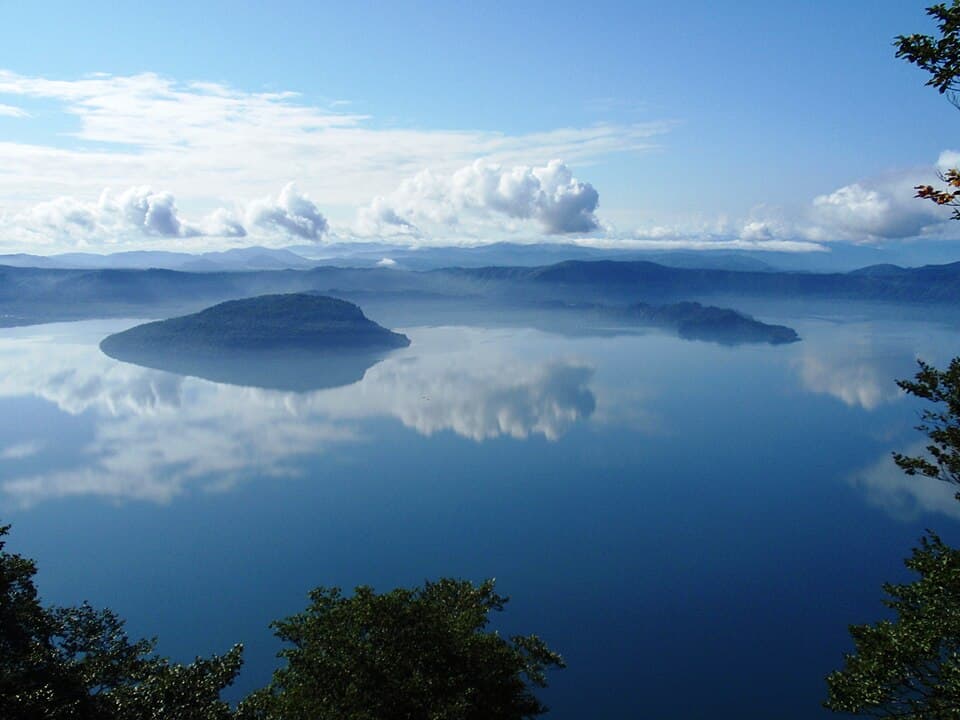
Lake Towada(Towada)nature / scenery / Southern area / Special Place of Scenic Beauty / Natural Monument
A double caldera lake. Takamura Kotaro's Maiden Statue stands on the shore.
Tsugaru Shamisen(Hirosaki and nearby)festival / event / Tsugaru
It grew out of door-to-door street performance. The striking, percussive stroke of the plectrum is its mark.
Traditional Crafts
Aomori has a single nationally designated traditional craft: Tsugaru lacquerware. It takes more than forty steps and several months to finish one piece.
More: VILLAGE Journal vol.46 — One craft, forty-eight steps(リンク先は現在公開されていません)
More from This Prefecture
See all Aomori articles ← All 47 prefectures
Sources: Ministry of Agriculture, Forestry and Fisheries (Crop Statistics Survey), Aomori Prefecture, Ministry of the Environment, Agency for Cultural Affairs, Osorezan Bodaiji, Association for the Promotion of Traditional Craft Industries — Value Village editorial team